


Views: 142 Author: Site Editor Publish Time: 2026-10-09 Origin: Site


The outdoor home decor market is no longer just about generic terracotta pots and mass-produced plastic ornaments. Over the past decade, it has evolved into a highly profitable, heavily scrutinized segment of global e-commerce. Today, intricately designed fairy gardens capture the imagination of consumers worldwide. However, standing out in this saturated space requires more than sourcing standard, off-the-shelf products. Generic items simply get lost in the algorithm.
To establish a dominant market presence, brands must pivot toward bespoke manufacturing. This transition from standard wholesale purchasing to custom fabrication allows you to strictly control quality, dictate exact aesthetics, and significantly widen your profit margins. In this comprehensive technical guide, we will walk B2B buyers, product developers, and brand owners through the exact engineering and design options available for creating top-tier miniature outdoor collections. We will explore everything from durable polymer selection and structural pose design to UV-resistant color applications and drop-tested transit solutions.
Material Engineering Matters: High-density polyresin provides the absolute optimal balance between capturing microscopic mold detailing (down to 0.1mm) and ensuring long-term outdoor weather resistance.
Design Flexibility & Structural Integrity: Brand owners can dictate specific poses and thematic elements. However, designs must be engineered with a proper center of gravity to survive international shipping.
Transit Survivability is Crucial: Professionally engineered, custom-molded packaging is not optional; it is a strict necessity to reduce e-commerce return rates to near zero.
Seamless Manufacturing Efficiency: Partnering with a specialized factory streamlines the production timeline, moving swiftly from SLA 3D digital prototypes to retail-ready physical inventory.
Recent market analytics and search volume trends reveal a fascinating, data-driven shift in consumer behavior regarding outdoor decor. Shoppers are actively abandoning mass-produced, injection-molded plastics. Instead, they are searching for highly personalized, artisanal pieces. The explosive popularity of micro-gardening and "Fairycore" aesthetics on visual platforms like Pinterest and Instagram indicates a sustained market demand for bespoke, weather-resistant garden art.
Specifically, consumers are looking for narrative-driven decor. They want pieces that tell a story—figurines featuring diverse representations, localized seasonal motifs, or interactive elements like solar-powered LED accents. For established retailers and scaling e-commerce sellers, aligning your product development with these exact search trends is a critical bottom-of-funnel strategy.
The primary advantage of transitioning to custom manufacturing is distinct brand differentiation. In hyper-competitive digital marketplaces like Amazon or Wayfair, selling identical commodity products inevitably leads to aggressive price wars. These wars systematically erode your bottom line. By developing unique molds, you instantly shift the consumer's focus away from price and directly onto aesthetic appeal and exclusivity.
Furthermore, creating private label garden decor allows your business to command a premium retail price point. When marketed as exclusive or collectible items, customized inventory yields profit margins that simply cannot be achieved with commoditized alternatives. Collectors are historically willing to pay a premium for items that feel unique, structurally sound, and meticulously crafted.
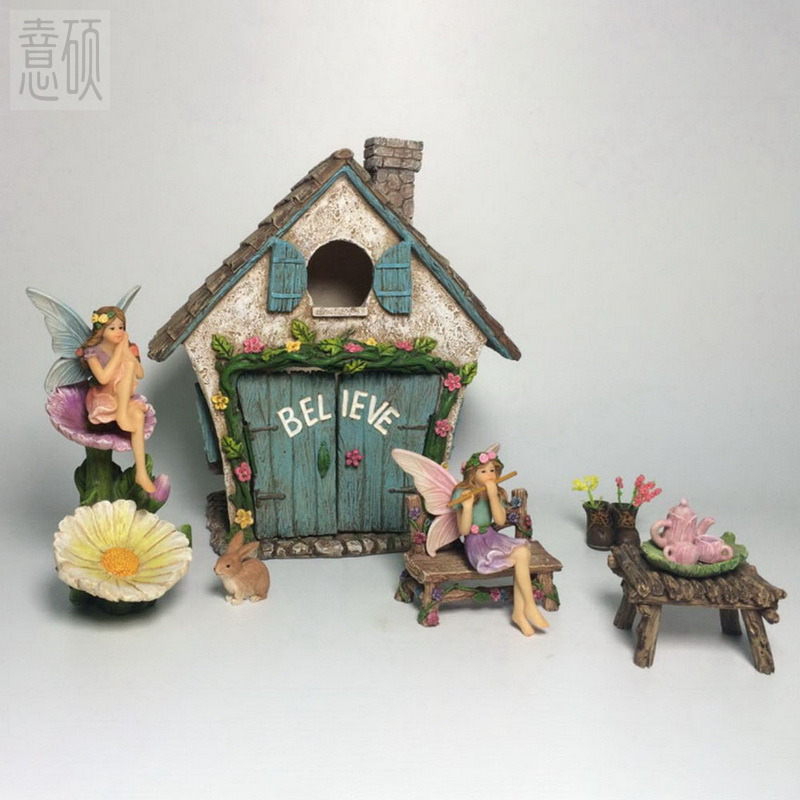
When engineering outdoor decor, material selection is the foundational choice. It dictates the product's lifespan, its perceived weight and value, and its ability to hold paint. In the current manufacturing landscape, polyresin stands as the undisputed industry standard for outdoor statuary.
The core pain point for consumers purchasing outdoor decor is rapid environmental degradation. Untreated ceramics are highly prone to micro-fractures and frost-shattering due to moisture absorption. Standard plastics become brittle and chalky under UV exposure. Polyresin elegantly mitigates these exact failure points. It is a highly durable synthetic polymer capable of withstanding heavy rain, fluctuating humidity, and standard temperature changes without cracking.
Beyond rugged durability, resin casting offers superior fidelity to the original sculpted design. Because the material begins as a low-viscosity liquid, it flows effortlessly into the microscopic crevices of a master silicone mold. This allows factories to produce custom resin fairy figurines with exceptional clarity. Whether it is the delicate, gossamer veining on a fairy’s wings (often requiring 0.1mm precision) or the subtle textures of woodland clothing, polyresin reproduces these elements flawlessly. This smooth, highly detailed surface provides the perfect mechanical bond for complex painting techniques.
Material | Detail Fidelity | Weather Resistance | Tooling / Mold Cost | Best Application |
|---|---|---|---|---|
Polyresin | Excellent (Captures micro-textures) | High (Frost & UV resistant with coating) | Low to Medium (Silicone molds) | Premium, highly detailed garden decor |
Ceramic | Medium (Glaze fills in fine details) | Low (Prone to frost shattering) | Medium | Indoor or covered patio decor |
Injection Plastic | Low to Medium | Medium (Can become brittle in cold) | Very High (Steel molds) | Mass-market, low-cost toys |
The pose of a figurine is not merely an artistic choice; it is a critical engineering functional requirement. It directly impacts the center of gravity, how the end-user will interact with the product, and its survivability during international transit.
From a strict manufacturing perspective, the chosen pose must be structurally robust. A frequent, costly error in bespoke design is creating elements that are simply too fragile. For instance, a 6-inch fairy balanced entirely on a single, 2mm-thick ankle, or wings that extend too far from the core without adequate thickness, are highly susceptible to snapping. Experienced factory engineers will always recommend thickening high-stress connection points or compacting the design's center of mass to ensure the product arrives intact.
To further differentiate your product line, consider designing figures that actively interact with their environment. Sitting poses—where fairies are contoured to rest securely on mushroom caps or the edges of terracotta pots—are incredibly versatile. Conversely, flying or hovering poses usually integrate a discrete, rust-proof stainless steel stake cast directly into the resin body, allowing the figure to be planted firmly into the soil.
The application of color is the transformative final step where a raw, demolded resin cast becomes a retail-ready piece of art. The coloring process ultimately defines your brand's specific aesthetic identity.
While automated pad printing exists for basic products, high-tier garden decor relies heavily on manual artistry. Investing in hand-painted fairy figures adds significant, tangible value to your project. Skilled artisans utilize techniques like airbrushing, dry-brushing, and antiquing washes to create visual depth. Because human hands paint them, minor, organic variations occur, granting each individual piece a unique, artisanal quality.
The technical chemical specifications of the paint are just as vital as the colors themselves. B2B buyers must explicitly specify the use of non-toxic, waterproof acrylic paints. Once the hand-painting process cures, the factory must apply a high-grade, industrial outdoor polyurethane or acrylic clear varnish. This multi-layer sealant approach locks in the color, provides a customized matte or glossy finish, and acts as an impenetrable barrier against UV degradation and environmental wear.
Packaging is a critical operational component of the supply chain. It solves a massive pain point for e-commerce sellers: product breakage during last-mile delivery. Beyond mere protection, packaging serves as the very first physical touchpoint a customer has with your brand.
Resin, while incredibly durable against weather, can chip upon hard, sudden impact. For brands utilizing fulfillment networks like Amazon FBA, standard generic bubble wrap is entirely insufficient. You must invest in custom packaging featuring precision-molded inserts. The industry standard involves custom-carved EPS (Styrofoam) or eco-friendly EPE foam that perfectly contours to the specific, unique pose of the fairy. This prevents any internal movement. This packaging must be engineered to pass rigorous ISTA-1A or ISTA-6 drop-test standards, simulating the extreme hazards of the parcel delivery system.
Upgrading from blank, thin corrugated cardboard to premium 5-ply, full-color printed retail boxes instantly elevates the perceived value of the product inside. Consider including thoughtful custom inserts, such as a beautifully printed setup guide or a certificate of authenticity. A premium unboxing experience directly encourages customers to leave glowing positive reviews and share their purchases on social media.
For buyers new to overseas manufacturing, the production process can initially seem complex. However, understanding the specific engineering steps involved builds confidence and helps you plan your inventory launch timeline effectively. Partnering with a specialized OEM fairy garden decor facility typically involves a structured, highly communicative journey.
The journey begins with your raw concept. The factory’s dedicated design team translates your mood boards into precise 3D digital CAD models (often using ZBrush). Once approved, the factory produces the first physical prototype utilizing high-resolution SLA 3D printing technology. You will receive this physical sample to personally review the size, weight, balance, and color accuracy.
Upon your final sign-off, the factory creates the master silicone molds required for mass production. Liquid polyresin is vacuum-degassed (to remove air bubbles) and poured into the molds. Each raw piece undergoes rigorous sanding to eliminate seam lines before moving to the painting department. Reputable manufacturers implement strict Quality Assurance (QA) protocols throughout this stage, inspecting each unit before they are securely nested into your engineered packaging.
Once you have successfully navigated the manufacturing process and secured your custom inventory, effective marketing is required. Consumers often struggle to visualize how miniature decorative items will look in their own personal spaces.
Avoid relying solely on plain, white-background product photos. Instead, invest heavily in high-quality lifestyle photography. Capture images of the figurines in real, lush outdoor settings—nestled deep in mossy terrariums or hidden playfully among garden flowerbeds. Furthermore, to maximize your revenue per transaction, actively bundle complementary products. Marketing these items as complete "Enchanted Garden Starter Kits" simplifies the purchasing process for beginners and significantly increases your Average Order Value (AOV).
Successfully navigating the outdoor home decor market requires a commitment to engineering quality and aesthetic uniqueness. Choosing the right structural designs, utilizing high-density polyresin, and engineering robust transit packaging are the foundational pillars of building a highly profitable product line. These elements work together to transform a basic concept into a recognizable, premium brand.
Ultimately, finding a reliable, experienced manufacturing partner makes all the difference. They are the bridge that turns generic ideas into top-selling private label realities. If you are ready to elevate your retail offerings, avoid the pitfalls of price-war competition, and create a truly bespoke product line, we encourage you to explore the custom manufacturing capabilities at xmideasource.com. Bring your unique design ideas to life today by reaching out to discuss your project, request a custom quote, and order your first physical engineering sample.
The industry standard MOQ for custom resin items generally ranges from 300 to 500 pieces per specific design. This volume is necessary to absorb the initial setup costs, which include 3D CAD modeling, master silicone mold creation, and the tooling required for custom die-cut foam packaging. Ordering at this volume ensures the per-unit cost remains economically viable for healthy retail profit margins.
A standard end-to-end production cycle takes approximately 6 to 9 weeks. This timeline is broken down into 1 to 2 weeks for the initial 3D design and SLA prototyping phase, another 1 to 2 weeks for producing and tweaking the physical painted sample, and 30 to 45 days for mass production, comprehensive quality control, and final packaging.
Yes, high-quality polyresin combined with industrial UV-resistant clear sealants makes these figurines highly weatherproof against heavy rain and intense summer sun. However, as an objective engineering best practice to ensure maximum longevity, it is recommended that consumers bring their resin decor indoors during extreme freezing conditions to prevent potential micro-fractures caused by ice expansion in microscopic surface pores.
Absolutely. Professional manufacturing partners fully support comprehensive packaging customization. B2B buyers can specify full-color CMYK printing on the outer 5-ply corrugated boxes, integrate UPC or EAN barcodes directly onto the packaging for seamless Amazon FBA scanning, and include any legally required country-of-origin marks.
Unlike plastic injection molding, which requires expensive steel molds costing thousands of dollars, resin casting utilizes silicone molds. The tooling and prototyping cost for a standard 4 to 6-inch fairy figurine is typically very accessible, often ranging between $150 to $300 depending on the complexity of the sculpt. This low barrier to entry makes it ideal for brands testing new designs.
To maintain strict color fidelity across hundreds of units, professional factories use standardized Pantone (PMS) color matching for mixing acrylic paints. Furthermore, a "golden sample" (the final approved prototype) is kept on the factory floor at all times. The QA team uses this master reference to perform visual and under-light inspections on the production line, ensuring every batch matches your original specifications.


