


Views: 135 Author: Site Editor Publish Time: 2026-10-14 Origin: Site


Ever wished your potted plants felt a bit more alive? Building a miniature landscape is a highly rewarding project. Yet, choosing the wrong structural pieces often leads to visual clutter and rapid material decay. What starts as a magical creative endeavor quickly turns into a frustrating, muddy mess. In this technical guide, you will learn how to select durable, proportionate accents that genuinely breathe life into your greenery. We will break down practical styling and material selection protocols for everything from sun-drenched patio planters to highly humid indoor terrariums.
Material Impermeability: Understand why specific synthetic compounds, like high-density polyresin, demonstrate superior durability against moisture and UV degradation.
Precision Scaling: Learn how to meticulously match the size of your structural elements to your botanical growth, achieving a realistic visual composition.
Environmental Specifications: Recognize the distinct differences in chemical stability required for high-moisture glass enclosures versus UV-exposed outdoor environments.
Standardized Sourcing: Discover the technical benchmarks to evaluate—such as industry-standard miniature scales and weatherproofing sealants—before investing in your hardscaping elements.
Recent market analysis of the horticultural and home decor sectors highlights a distinct shift toward micro-landscaping. As urban living spaces shrink, gardening enthusiasts are pivoting from sprawling backyard beds to highly curated, small-scale ecosystems. Search trends over the past three years indicate a massive surge in consumer demand for narrative-driven garden setups. People no longer just want a potted fern; they want a self-contained world.
This evolution has elevated whimsical accents from mere novelties into essential design components. However, this trend also brings a demand for higher quality. Consumers are increasingly rejecting cheap, disposable plastics that fade in a single season. Instead, the market is moving toward commercial-grade, weather-resistant materials that can withstand the unpredictable realities of climate change, varying humidity, and intense UV exposure.
Miniature gardening is an established horticultural practice. It beautifully marries standard landscaping principles with small-scale botany. While carefully selected trailing vines and mosses form the biological foundation of these displays, the introduction of solid structural elements truly transforms a standard potted plant into a cohesive storytelling piece.
Adding carefully placed focal points creates an immediate sense of scale. In professional landscape design, the human eye requires a reference point to comprehend the proportion of the surrounding environment. By integrating high-quality miniature fairy garden decor, you provide that essential visual anchor. For example, a standard succulent suddenly takes on the appearance of a massive, ancient agave tree when placed next to a precisely scaled, one-inch figure resting in its shade.
Beyond aesthetics, these solid elements introduce varied textures and colors that contrast vividly with natural greenery. The rigid lines and matte painted finishes of the characters break up the organic monotony of soil and foliage. When applied thoughtfully, these additions highlight intricate botanical details by providing a sharp, contrasting background.
The longevity of any miniature landscape decoration depends entirely on its material composition. Because these items sit in direct, prolonged contact with damp soil, standing water, and fluctuating light conditions, selecting the correct material is a critical engineering decision for your setup.
Polyresin is widely considered the industry standard for miniature garden manufacturing. It is a synthetic compound that starts as a viscous liquid before curing into a dense, rock-hard solid. The primary structural advantage here is impermeability. Unlike porous clay or untreated wood, premium resin fairy ornaments refuse to absorb water. This vital characteristic prevents internal micro-cracking during freeze-thaw cycles and stops destructive mold from anchoring to the surface.
Furthermore, high-grade resin holds intricate mold details exceptionally well. This allows manufacturers to produce highly defined facial features, woven clothing textures, and delicate wings that remain sharp over time. When properly treated with a UV-resistant clear coat at the factory, resin also fights off photodegradation—the notorious chalky fading caused by prolonged sunlight exposure.
Material | Moisture Resistance | UV Stability | Detail Retention | Best Application |
|---|---|---|---|---|
High-Grade Polyresin | Excellent (Impermeable) | High (with clear coat) | Exceptional | All Environments |
Ceramic / Terracotta | Poor (Porous) | High | Moderate | Indoor / Dry Setups |
Untreated Metal | Poor (Oxidizes/Rusts) | Excellent | High | Arid Climates Only |
Standard Plastic | Good | Poor (Becomes brittle) | Low | Temporary Displays |
Container gardening—utilizing terracotta pots, window boxes, and large indoor planters—presents a unique set of spatial constraints. When designing within a confined boundary, the placement of your decor must respect the root zones and aggressive growth habits of your chosen plants.
A highly practical design approach is to utilize the sturdy rim of the planter, or the exposed soil at the base of a larger houseplant, as a staging area. Placing your figures near the edge ensures they remain visible as the plants mature and inevitably spread outward. When installing planter decorations, press the bases gently into the topsoil. Avoid compacting the dirt heavily around them, as this chokes off the oxygen flow to delicate surface roots.
Plant selection plays an equally crucial role. Pair your hardscaping with low-growing, dense foliage that mimics the look of real-world grass and shrubs. For instance, Sedum offers a hardy, pebble-like texture perfect for bordering small pathways. Irish Moss creates a lush, velvet-like carpet that serves as a pristine, realistic lawn without overtaking your carefully placed elements.
Terrariums and glass cloches function as closed or semi-closed ecosystems. The environmental conditions bubbling away inside these glass containers are drastically different from open-air patio planters. Humidity levels in a sealed terrarium consistently hover between 70% and 90%. This creates a perpetual, dripping cycle of condensation and precipitation.
Because of this inescapable moisture, the criteria for selecting terrarium figurines are incredibly strict. Materials containing iron will rapidly oxidize, bleeding toxic orange rust into the soil. This alters the pH levels and quickly burns delicate mosses. Similarly, unsealed paints or low-grade plastics leach volatile organic compounds (VOCs) into the enclosed environment as they break down. Choosing non-toxic, rust-proof, and fully sealed resin items is non-negotiable for the survival of your micro-climate.
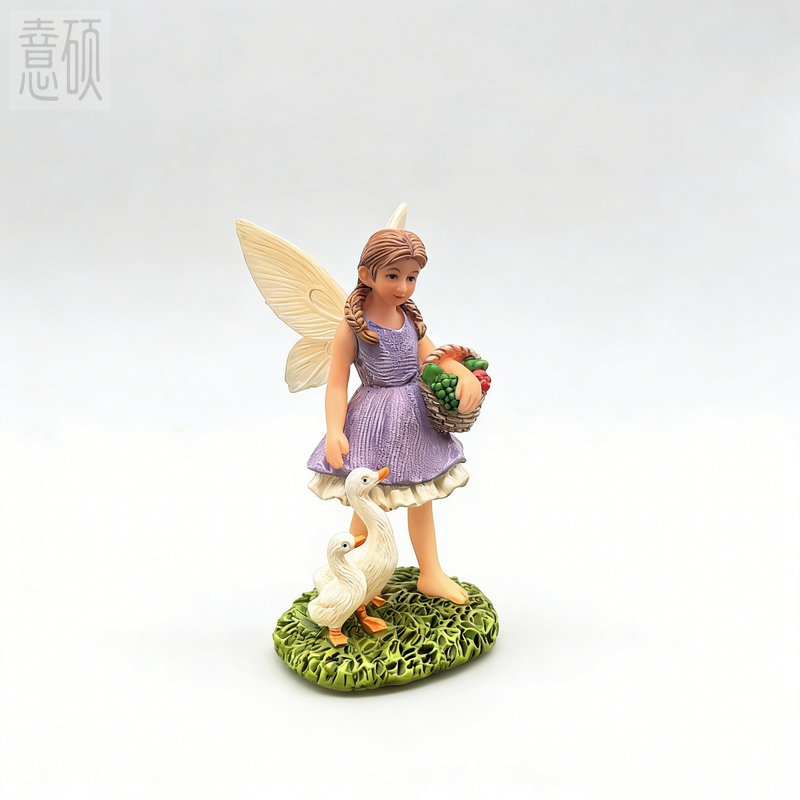
Moving your tiny village out into the elements introduces a wild new set of variables. Wind, dramatic temperature fluctuations, and direct ultraviolet radiation will heavily test the endurance of your setup.
Weatherproofing is the absolute most critical factor for outdoor displays. Relentless UV rays act like a laser, breaking down the chemical bonds in cheap paints and polymers. This leads to severe fading and structural brittleness. When evaluating outdoor fairy figures, verify that the items have been treated with a UV-resistant clear coat. Stability is another common hurdle. Figures placed loosely on topsoil are easily knocked over by strong gusts or heavy rain. To mitigate this, seek out products designed with built-in metal mounting stakes, or modify flat-bottomed pieces by adhering a piece of galvanized wire to the base using waterproof epoxy.
Creating a balanced, sustainable miniature landscape requires methodical preparation. Throwing everything into a pot at once usually results in a messy, unstable display. Follow this structured protocol to ensure long-term stability.
Assemble all necessary components to prevent frustrating interruptions. Your staging area should include a container with adequate drainage, well-draining potting soil amended with perlite, hardscaping materials (like pea gravel), appropriately scaled miniature plants, and your chosen resin characters.
Do not simply fill the container flat to the brim. Real landscapes have dynamic topography. Mound the damp soil to create subtle rolling hills and sloping valleys. Install your permanent hardscaping elements first. Lay down stone pathways and build small retaining walls. Establishing this infrastructure before planting prevents catastrophic root disturbance later.
Install your plants based on their expected mature size. Leave sufficient breathing room around your pathways to accommodate future growth. Next, apply the "rule of thirds" for your decor. Instead of dropping your main character dead center, position it slightly off-center to create a more dynamic focal point. Ensure the figures look like they are interacting with the landscape—seat them on a rock or stand them at the edge of a gravel path.
Purchasing components for a tiny landscape requires a discerning eye. The market is flooded with options varying wildly in quality, scale, and material safety. To ensure your investment yields a durable display, evaluate these empirical metrics before ordering.
The most frequent error is failing to maintain consistent scale. Placing a three-inch tall character next to a two-inch tall house shatters the illusion of reality. The miniature industry operates on standardized ratios. The 1:12 scale (one inch equals one foot) is ideal for large, standalone planters. The 1:24 scale (half-inch scale) is generally the most versatile for standard container gardens. Always review the exact dimensional measurements listed in the product description.
When sourcing commercial-grade pieces, look for specific manufacturing benchmarks. Premium factory-crafted sets feature a high-density polyresin base and hand-painted details using non-toxic, water-resistant acrylics. Investing in a comprehensive, pre-scaled set guarantees that the paint styles, material finishes, and proportions are perfectly identical across all elements. This eliminates the frustrating guesswork of trying to visually match mismatched pieces.
Building a miniature landscape sparks immense joy and taps into a unique blend of horticultural science and artistic creativity. By choosing durable, impermeable resin materials, you ensure your beautiful displays withstand the harsh tests of moisture and sunlight. Remember that proper scale and structural stability are the true secrets to visual success. Ready to elevate your next planting project? Explore XM Idea Source to find premium, weather-resistant miniature sets engineered to transform your planters and terrariums into enduring, magical worlds.
This depends entirely on their material composition and your local climate. High-quality polyresin is highly weather-resistant; however, it is not immune to the laws of thermal expansion. If moisture seeps into micro-fissures in the paint and subsequently freezes, the expansion of the ice can cause the item to crack. In regions experiencing harsh freeze-thaw cycles, it is highly recommended to bring outdoor pieces inside. If they must remain outdoors, elevate them on gravel rather than sitting them in waterlogged soil.
Miniature decor requires gentle, non-abrasive cleaning to preserve the protective sealants and hand-painted details. Over time, outdoor pieces accumulate dirt and algae. Fill a small basin with lukewarm water and a few drops of mild, pH-neutral dish soap. Strictly avoid harsh chemical cleaners, bleach, or acidic solutions like vinegar, as these will dissolve the UV clear coat. Use a soft-bristled toothbrush to gently scrub the crevices, rinse thoroughly, and dry with a microfiber cloth.
Yes, provided you select the correct type of materials. A terrarium is a highly sensitive micro-ecosystem. If you introduce untreated metals (which rust) or cheap plastics painted with water-soluble dyes, they will rapidly degrade. This degradation leaches harmful chemicals into the substrate, poisoning sensitive plants like live moss and ferns. Exclusively use items made from fully cured, non-toxic resin or glazed ceramics.
Stability is a frequent structural issue in well-draining potting soil or windy environments. The most effective solution is to utilize pieces with built-in metal stakes. For flat-based figures, you can easily modify them: apply a small dot of waterproof two-part epoxy to the bottom and attach a stainless steel wire or sturdy plastic pick. Once cured, press the stake deeply into the soil to anchor it securely.
For most standard container gardens, window boxes, and medium terrariums, the 1:24 scale (where one-half inch equals one foot of real-world size) is the most versatile and proportionate. If you are working with very large outdoor planters or dedicated garden beds, stepping up to a 1:12 scale provides better visibility from a distance. Always stick to one consistent scale within a single display to maintain realism.
When manufactured with high-density polyresin and coated with a factory-grade UV sealant, premium figurines can easily last 3 to 5 years outdoors before showing signs of minor fading. To extend their lifespan indefinitely, place them in partially shaded areas to reduce direct midday sun exposure, and reapply a clear, UV-resistant polyurethane spray once a year at the start of the summer season.


