


Views: 124 Author: Site Editor Publish Time: 2026-10-19 Origin: Site


Have you ever dreamed of stepping into a magical backyard world? Creating a miniature botanical vignette offers an incredibly engaging, stress-relieving horticultural project. However, many enthusiasts struggle with a common structural dilemma. They purchase beautiful, intricate individual pieces. Later, they realize the scale is drastically off. The stylistic elements clash horribly. Ultimately, the overall scene looks like a cluttered toy box rather than a living, breathing landscape.
This comprehensive guide serves as an actionable, technical blueprint to solve your styling and layout problems. Whether you are arranging delicate pieces for an indoor terrarium or utilizing highly durable materials for an outdoor setup, mastering the core principles of dimensional accuracy, thematic consistency, and spatial layout is non-negotiable. By applying these strict design rules, you will bring your miniature garden decor to life. The result is a realistic, cohesive, and structurally sound environment.
Scale is Everything: Matching the exact size ratio between your figurines and their dwellings is the most critical step for maintaining a realistic visual perspective.
Stick to a Theme: Grouping your items by a specific aesthetic prevents visual chaos and establishes design harmony.
Material Matters: Opt for non-porous, UV-resistant materials if your micro-landscape will face harsh outdoor weather elements.
Create a Story: Utilize hardscaping elements like stone pathways and rustic benches to physically connect characters to their environment.
In the realm of micro-landscaping, dimensional accuracy acts as the foundational pillar of design. Placing a fairy that stands significantly taller than the roof of her own dwelling instantly destroys the magical illusion. It distorts the viewer's spatial perspective. Maintaining strict proportionality ensures every single element naturally belongs in the exact same physical universe.
Miniature items are categorized by standard ratio scales. These numbers represent how the size of the tiny object relates to its real-life counterpart. The most common standard in outdoor miniature gardening is the 1:12 scale (the one-inch scale). In this system, one inch on the miniature equals one foot in reality. Therefore, a standard six-foot human door translates to exactly a six-inch miniature door. Identifying the specific scale of your existing setup is crucial before adding new structural elements or inhabitants.
To guarantee compatibility before making a financial commitment, implement a practical measurement strategy. Do not rely solely on product photos. Macro photography frequently makes tiny items appear massive. Instead, compare the door height of the dwelling to the total height of the figurine. A realistic proportion dictates that the character must have enough "clearance" to comfortably walk through the doorframe. Check the exact dimensions in the product specifications. Cutting out a simple paper silhouette based on these measurements helps you visualize the scale in your physical garden bed.
A unified theme serves as a guiding framework when selecting complementary accessories. Without a distinct theme, a planter quickly devolves into a chaotic display. By establishing a clear design direction early on, you ensure that your whimsical garden ornaments complement rather than aggressively compete with one another.
The woodland theme relies heavily on organic textures and natural tones. It utilizes earthy browns, deep forest greens, and muted grays. This aesthetic pairs perfectly with log-cabin styles and hollowed-out tree stumps. To ground this theme, incorporate live plant pairings like low-growing Irish moss and creeping thyme. These plants accurately mimic the dense moisture of a forest floor.
In contrast, a beach theme introduces an entirely different soil mechanic and landscape. This requires replacing standard organic potting soil with fine decorative sand for proper drainage. You can utilize crushed blue glass pebbles to simulate ocean water. Mermaids or sprites in summery attire fit perfectly alongside tiki-style huts or driftwood shacks.
Once your scale and theme are firmly established, the next step involves matching the architectural style of the dwelling to its intended occupant. This deliberate pairing significantly enhances the storytelling aspect of your landscape.
Different figurines exhibit distinct character traits that must align with their environment. For instance, an elegant sprite adorned with intricate wings naturally belongs near a miniature stone castle. Placing such an elegant figure next to a rough-hewn twig shack creates a jarring narrative disconnect. Furthermore, pay close attention to exact product parameters. For example, industry-standard fairy houses often feature dimensions around 6.5 x 4.5 x 8 inches. To maintain realistic clearance, the accompanying figurine should measure no more than 2.5 to 3 inches in height. This ensures the character can theoretically pass through a 3.5-inch doorframe. Precision matters.
Implementing basic color theory drastically elevates the professional appearance of your setup. Analogous coordination involves matching the color of a character’s dress to the accent colors of the dwelling. Complementary coordination uses contrasting colors to make the figurine pop against the background. For example, position a character with bright yellow wings directly in front of a dwelling featuring a deep purple roof.
Accessories act as the structural glue that firmly connects the characters to their surrounding environment. Without these crucial transitional pieces, figurines often look as though they were randomly dropped onto the dirt.
Hardscaping elements serve a highly functional design purpose. They intentionally guide the viewer's eye through the scene. A winding path constructed from tiny river pebbles naturally leads the gaze from the foreground directly to the front door in the background. In addition, fences help define property lines within the miniature world. They create distinct zones and add necessary layers of depth to a flat planter.
Adding functional, everyday items provides immediate context. When selecting these fairy garden accessories, strict attention to scale remains paramount. Ensure a watering can fits the hands of the figurine. A bistro chair must be at the exact correct height for a seated character. Misproportioned furniture instantly shatters the realism of your carefully crafted vignette.
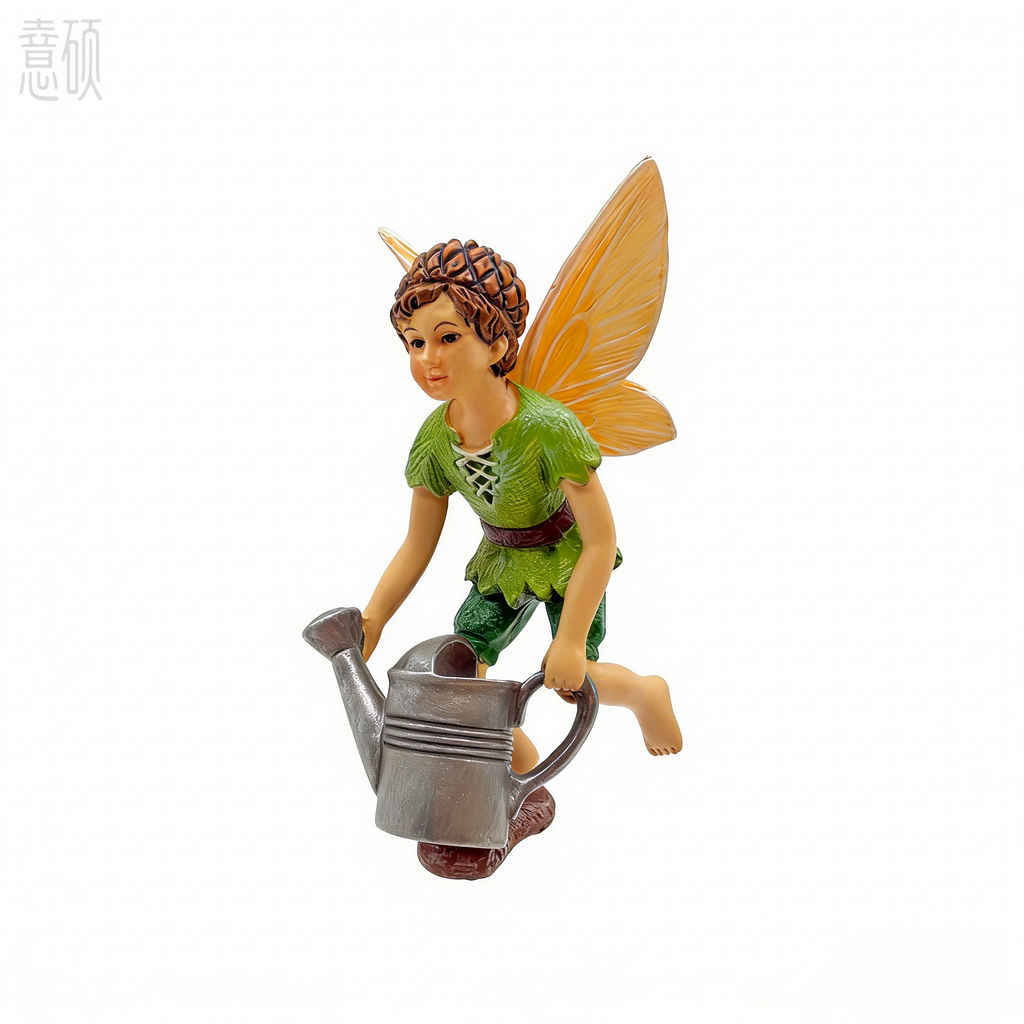
The physical location of your project dictates the specific materials you must select. Choosing the wrong material leads to rapid structural degradation, severe paint fading, or irreversible moisture damage. For outdoor setups, material stability is everything.
Material Type | Water Resistance | UV Stability | Best Application |
|---|---|---|---|
Polyresin | Excellent (Non-porous) | High (with acrylic coating) | Year-round outdoor gardens |
Ceramic | Poor (Prone to frost heave) | High | Indoor terrariums only |
Untreated Wood | Very Poor (Rots quickly) | Low (Fades and cracks) | Temporary dry setups |
For outdoor gardens exposed to heavy rain and rapid temperature fluctuations, polyresin is the industry's gold standard. It is a highly durable, non-porous synthetic compound. It actively resists water absorption, entirely preventing the cracking that plagues ceramics during freezing winter temperatures. High-quality resin fairy miniatures retain microscopic mold details exceptionally well. To maximize longevity, landscape experts strongly recommend treating all resin pieces with a clear, UV-resistant acrylic polyurethane sealer annually.
Recent market analysis surrounding miniature landscaping reveals a fascinating shift in consumer behavior. Historically, enthusiasts pieced together gardens by purchasing random items from various craft stores. This often led to severe scale mismatches and aesthetic clashes. Today, industry trends show a massive surge in demand for curated, scale-accurate collections.
Adult consumers increasingly turn to miniature gardening for mindfulness and sophisticated outdoor design. They demand high-fidelity, weather-resistant materials that survive outdoors year-round without degrading. Manufacturers have responded by moving away from cheap plastics. The focus is now heavily on premium polyresin sets that are mathematically scaled to match perfectly straight out of the box. This evolution proves micro-landscaping is a legitimate, highly technical form of garden art.
Physical placement requires a highly strategic approach. Haphazardly shoving items into a planter results in a messy aesthetic. Following a structured layout process ensures a beautifully balanced, structurally sound composition.
Begin your layout by establishing the primary focal point. This is typically the heaviest and largest item in your collection—usually the dwelling itself. Place the structure slightly off-center toward the back of the garden bed. This placement follows the classic "rule of thirds," creating far more visual tension and energy than simply centering the subject. Submerge the base of the house slightly into the topsoil. This ensures it appears heavily grounded rather than floating unnaturally on top of the dirt.
Pose characters in ways that suggest active interaction with their surroundings. Position a figure so she appears to be strolling down a stone path. Seat a character comfortably on a wooden bench. Creating these micro-interactions transforms a static display into a dynamic, living story.
Matching scale, theme, and material is absolutely essential for creating a captivating, long-lasting micro-landscape. By ensuring your figurines are perfectly proportioned to their dwellings and securely linked through hardscaping, your setup will look incredibly realistic. Always prioritize durable, weather-resistant polyresin for outdoor displays. Plan your spatial layout carefully before digging into the soil. If you want to bypass the frustration of measuring individual pieces, consider sourcing curated, scale-accurate collections. Explore professional-grade options at Xiamen Idea Source to start building your structurally flawless, magical miniature environment today!
Yes, mixing brands is acceptable as long as you meticulously verify the physical measurements before purchasing. A 1:12 scale figure from one manufacturer should match a 1:12 scale house from another. However, always check the exact inch or centimeter dimensions. Manufacturing tolerances can vary significantly between companies.
Ultraviolet radiation is the primary cause of paint degradation. First, choose high-quality resin miniatures, as they bond with paint much better than cheap plastics. Additionally, spray all outdoor painted items with a clear, UV-resistant acrylic polyurethane sealer once a year. This invisible barrier shields the paint from UV rays and prevents moisture penetration.
Flat, highly stable surfaces are required to prevent structural shifting during heavy rain or watering. Use a firm layer of compacted potting soil as your primary base. Top this foundation with a layer of sheet moss or tiny pea gravel. This creates a level foundation that easily supports the weight of heavier resin pieces without allowing them to sink into the mud.
For outdoor setups exposed to wind, lightweight figurines require physical anchoring. Many high-quality resin figures come with built-in metal stakes at the base. If yours do not, you can carefully glue a piece of galvanized floral wire to the bottom of the figurine using weather-resistant epoxy, then press the wire deep into the compacted soil.
Outdoor planters and garden beds generally look best with larger 1:12 scale items, as they are viewed from a distance and won't get lost among large outdoor plants. For small indoor glass terrariums, a smaller 1:24 (half-inch) or even 1:48 (quarter-inch) scale is highly recommended. This allows you to build a complete, detailed scene within a highly confined spatial footprint.


