


Views: 142 Author: Site Editor Publish Time: 2026-09-08 Origin: Site


Building a miniature outdoor world brings immense joy and visual charm. You carefully arrange tiny bridges, mossy paths, and delicate creatures. Yet, nothing ruins this magic faster than ornaments losing their vibrant paint. They often fade, chip, or topple over after just one harsh season outdoors. Many buyers struggle to balance intricate design details against the harsh realities of weather exposure. You want beautiful pieces, but you do not want to waste money on fragile items. This guide solves this common landscaping dilemma entirely. We provide a realistic, criteria-driven framework for evaluating and purchasing these charming additions. You will learn exactly how to assess material strength, weather resistance, and manufacturing quality. We also cover essential maintenance practices to keep your displays looking pristine. By applying these standards, you can make informed investments. Your magical miniature landscapes will thrive for years instead of months.
Polyresin offers the best balance of intricate detailing and affordability, but requires verification of UV-resistant coatings to prevent rapid fading.
Hollow resin figures are prone to tipping and cracking; solid cast options provide necessary weight and structural integrity.
Buyers should assess scale, painting quality, and design diversity before purchasing to ensure visual coherence in their landscaping.
Proper installation—using stakes, specific adhesives, or strategic placement—is critical to protecting lightweight resin garden decors from wind and weather damage.
Buyers face a tough choice when selecting outdoor miniature decorations. You must decide if resin acts as the best material for your specific climate. Alternatives exist, but each material behaves differently under harsh sun and heavy rain. Your local environment dictates the smartest purchase. Let us evaluate the most common manufacturing materials available today.
Understanding material properties prevents costly replacement cycles. We must compare the three dominant choices.
Table Name: Material Comparison for Miniature Landscaping
| Material Type | Key Advantages | Major Vulnerabilities | Best Environment |
| Polyresin | High facial detail, lightweight, very affordable | UV degradation, micro-cracking in extreme freezes | Shaded or partially sunny spots |
| Wire / Metal | High wind resistance, modern aesthetic, durable | Prone to rapid rust if untreated, lacks character details | Exposed, windy outdoor spaces |
| Ceramic | Classic weighty feel, anchors deeply into soil | Highly brittle, shatters easily, heavy | Indoor planters or highly protected patios |
Polyresin dominates the market for excellent reasons. It captures fine facial details beautifully. Manufacturers easily cast it into complex, whimsical shapes. It remains highly affordable for casual hobbyists. However, polyresin possesses notable weaknesses. Prolonged ultraviolet exposure degrades unprotected resin quickly. Extreme freezing temperatures also cause severe internal damage.
Metal or wire alternatives offer high wind resistance. They provide a sleek, modern aesthetic. Untreated iron, however, rusts rapidly outdoors. Wire designs also lack emotional facial details completely.
Ceramic and terracotta offer a classic, weighty feel. They anchor securely into loose soil. Unfortunately, ceramic remains highly brittle. Accidental drops or freezing moisture will shatter the pieces instantly.
Polyresin fits shaded or partially sunny gardens perfectly. You must simply commit to basic seasonal maintenance routines. Garden Fairy Figurines made from quality polyresin remain the top choice for highly detailed setups.
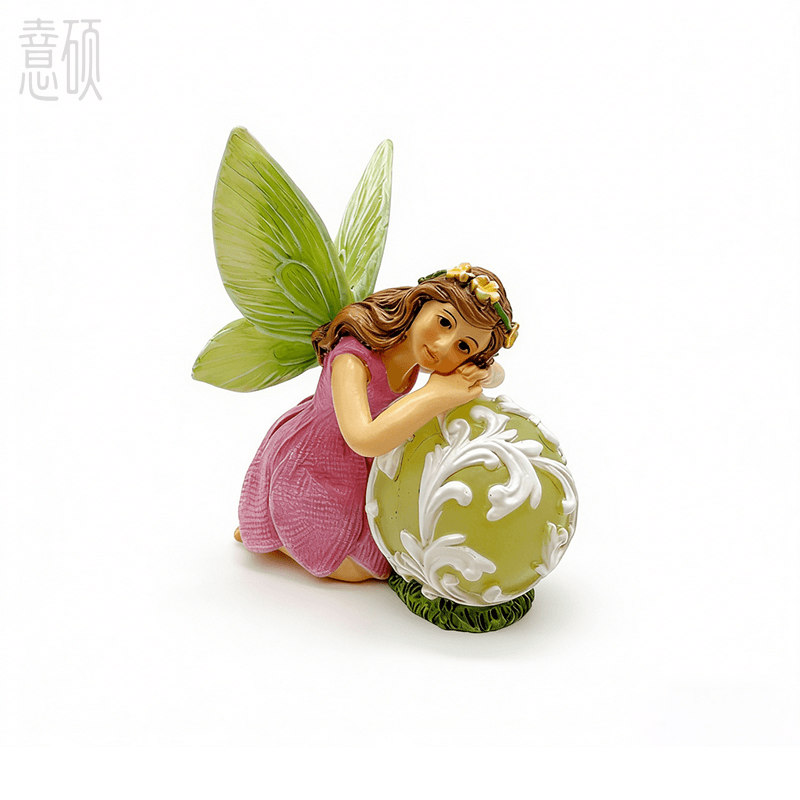
How do you guarantee your new ornaments survive the elements? You must inspect the manufacturing specifications closely. Do not rely on initial visual appeal alone.
Manufacturers often claim their products resist harsh sunlight. You should look for specific terms like "UV-treated polyresin" in the listing. Do not trust marketing claims blindly. Read customer reviews carefully. Filter the reviews mentioning six-month or one-year color retention. Authentic buyers will quickly report severe fading issues. Sun-bleached figures look ghostly and ruin your carefully planned aesthetic.
You must understand the difference between solid and hollow casting methods. Hollow figures fail constantly in outdoor environments. Water ingress poses a massive threat here.
Rainwater pools inside tiny crevices or hollow cavities.
When temperatures drop, this trapped water freezes and expands.
The expansion cracks the resin outward from the inside.
Hollow figures also blow over easily during mild seasonal storms.
You must verify product weight specifications carefully. Heavy items usually indicate solid construction. Solid figures resist tipping and handle temperature fluctuations much better.
Finally, assess the waterproofing standards applied at the factory. Cheap manufacturers use unsealed acrylic paints. These low-grade paints peel rapidly. Cheap resin loses its colorful details after the first heavy rain. Quality topcoat sealants lock the paint beneath a thick protective barrier. Look for clear indications of polyurethane sealing. You can easily test a small hidden area if you doubt the factory seal.
Visual coherence makes miniature landscapes truly believable. A poorly scaled figure breaks the magical illusion instantly.
You must pay close attention to physical proportions. Never rely solely on product photos. A macro lens makes tiny objects look massive online. You must check exact dimension specifications in inches or centimeters. Mixing a micro one-inch figure next to a standard four-inch figure looks terrible. The size mismatch feels highly jarring. Plan your landscape scale before buying anything.
Measure your designated garden container or soil plot.
Determine the average height of your surrounding miniature plants.
Select figures proportional to those specific plants.
The market now offers incredibly diverse design options. Modern gardens embrace non-traditional aesthetics wholeheartedly. You can find figurines featuring varying skin tones and genders. Diverse body types and cultural clothing styles are increasingly popular. This variety allows you to create highly personalized spaces. You can build a scene reflecting your own unique family or heritage.
Examine the painting quality before completing your purchase. Artisan pieces look vastly different from mass-produced items. Look for "hand-painted" labels in the product description. Scrutinize the macro photos closely. Check the delicate lines around the eyes and wings. Clean, precise lines indicate higher manufacturing standards. Sloppy paint jobs reveal poor factory quality control.
Wind acts as a major enemy for lightweight ornaments. You must secure your pieces properly. Practical installation methods keep your Resin Garden Decors upright in loose soil or gravel.
You cannot simply set lightweight figures on bare dirt. A gentle breeze will knock them over immediately.
Built-in metal stakes: Many high-quality figures include wire picks attached to the bottom. You simply push these metal stakes deeply into the topsoil.
Outdoor-grade museum putty: This adhesive works wonders on hard flat surfaces. You can mount figures directly onto flat paving stones securely.
Pea gravel burial: Dig a shallow depression in your soil. Fill it partially with fine pea gravel. Nestle the base of the figure into the gravel. This technique provides excellent drainage and adds crucial base weight.
You must also mitigate seasonal weather risks actively. Freezing temperatures cause tiny micro-fissures in cured polyresin. Ice expands inside these hidden structural cracks over time. You should always move your figures indoors before the first hard frost strikes. Treat them as strictly seasonal decorations in colder climates.
Annual re-sealing dramatically extends their lifespan. Purchase a clear, non-yellowing UV-resistant polyurethane spray. Apply a light protective coat every spring before placing them outside again. This simple step locks in the paint and repels damaging moisture.
Finding the right supplier requires careful, methodical evaluation. You need to identify the pricing sweet spot.
Extremely cheap bundles usually lack basic quality control. They feature hollow bodies and unsealed, flaking paint. Conversely, very expensive options often rely purely on heavy brand markup. You want to pay for durable, solid casting and careful hand-painting. Mid-range pricing usually offers the best long-term value. Avoid bulk listings offering dozens of pieces for practically pennies.
Reading customer feedback requires a skeptical eye. You must filter out fake or overly emotional reviews. Ignore the initial unboxing excitement entirely. Many buyers leave five stars before placing the item outside. Search the review section for specific durability keywords. Look for words like "faded," "chipped," "summer," or "wind." These specific terms reveal authentic, long-term user experiences.
Finally, examine the transit and return policies closely. Polyresin remains highly fragile during the shipping process. Delicate areas snap easily inside delivery boxes. Wings and wands are particularly vulnerable to rough handling. Ensure the seller offers a clear, no-hassle return policy. They should replace items broken during transit without demanding complex proof.
High-quality miniature landscapes require upfront planning and careful selection. You must carefully assess material weight, UV resistance, and paint quality before buying. Ignoring these factors leads to rapid deterioration and wasted budget. Prioritize solid-cast, UV-treated resin for the absolute best results. Plan your garden scale precisely to maintain visual harmony. Commit to basic seasonal storage and annual protective sealing. These simple habits protect your investment year after year. As your next step, audit your current outdoor space. Evaluate the sunlight exposure and soil type carefully. Determine the exact size and mounting style you need. Once you define these parameters, you can confidently browse catalogs and build a stunning miniature world.
A: Yes, without proper UV-resistant coatings, the acrylic paint on resin will fade. Sunlight breaks down chemical bonds in unprotected paint rapidly. Annual clear-coat spraying is highly recommended to prevent this.
A: Use a two-part epoxy or cyanoacrylate (Super Glue) designed specifically for plastics or resin. Ensure the broken pieces are completely clean and dry before binding them together.
A: Cured polyresin is generally inert and non-toxic to living plants. However, flaking paint from cheap, unsealed figures should be kept far away from edible vegetable gardens.
A: Buy figurines featuring built-in stakes. Alternatively, attach them to heavy base rocks using outdoor adhesive putty. You can also partially submerge their bases tightly in packed soil or fine gravel.

